
The First Private-Pay Client Who Changed How I Saw Nursing
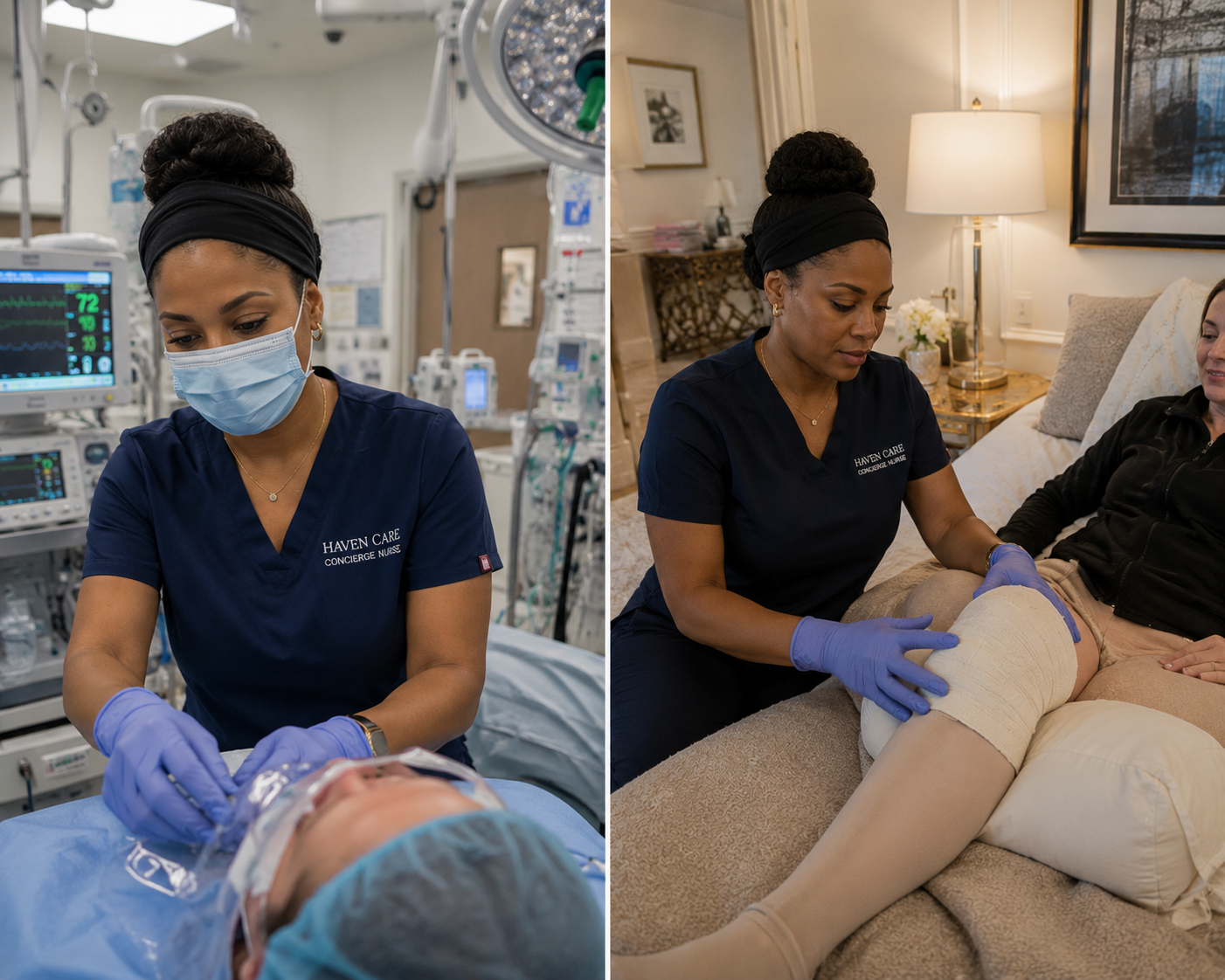
The beginning did not look like a launch.
It looked like a simple post I made without a funnel, campaign, or carefully constructed strategy. Then came a comment, a message, a name, and a family who needed help navigating a medical procedure.
Suddenly I was speaking with a potential private-pay client.
People are willing to pay directly for the nursing judgment, preparation, education, and continuity they cannot easily access elsewhere.
I remember thinking, “Did this just happen?” Not because the family’s need was unusual, but because the transaction exposed something I had not fully considered.
Beyond the Diagnosis
Soon after, I spoke with a woman whose husband had been diagnosed with Alzheimer’s. Her fear was not only about the diagnosis. She was overwhelmed by what came next. What questions should she ask? What should she organize? How would she know whether something had changed? Where did she even begin?
Those conversations changed the way I saw the space between healthcare encounters.
Hospitals and clinics are designed around billing codes, insurance eligibility, and isolated clinical appointments.
The Space Between
Families live in everything between those encounters—managing instructions, changing symptoms, and practical decisions.
Nurses are often uniquely prepared to bring order to that space. But clinical capability alone does not create a business. The insight had to be translated into a defined offer, a payment structure, boundaries, contracts, systems, and a responsible operating model.
That became the deeper lesson.
Nurses do not need empty encouragement that says, “You already have everything you need.” They have valuable expertise. They may still need business education, legal guidance, market clarity, and operational structure before that expertise can become a sustainable private-pay service.
As I began helping more nurses, I heard repeated versions of the same questions: Is this possible? What could I offer? Who would pay? How do I know whether the idea is legal and viable? Where do I start?
The answers were not found in another motivational speech. They required a method.
That is why my work evolved beyond telling nurses that entrepreneurship was possible. I began teaching the decisions behind the business: clarify the offer, validate demand, build the financial blueprint, operationalize the service, become visible to the right buyers, and protect the business with appropriate professional guidance.
The first client did not prove that every nursing idea would work. She proved that there were needs outside traditional settings that clients recognized and valued.
The business opportunity lives in understanding those needs well enough to solve one of them clearly and responsibly.
